AI in Logistics
and Supply Chain
Improve logistics and supply chain operations with AI-powered solutions designed to enhance demand forecasting, route planning, inventory management, warehouse automation, and real-time shipment tracking. Koothan Infotech develops AI solutions that support operational efficiency and data-based decision-making.
Get a Free Consultation
Your Trusted AI Development Partner
At Koothan Infotech, we develop AI-powered solutions that help businesses automate processes, improve operational efficiency, and address real-world challenges. Our experienced team combines technical knowledge with practical business understanding to deliver AI solutions across industries.
100+
Technology Professionals
25+
Global Clients
15+
Development Teams
220+
Brands Served
AI in Logistics and Supply Chain Overview
Artificial intelligence is helping logistics and supply chain businesses improve how they plan, manage, and monitor daily operations. AI-based demand forecasting analyzes historical and market data to support better demand planning and inventory decisions. Automated inventory management helps businesses monitor stock levels and identify replenishment requirements. Intelligent route optimization can analyze delivery conditions and available routes to support efficient transportation planning. Predictive maintenance uses equipment data to identify potential maintenance requirements before operational issues occur. Real-time shipment tracking, warehouse automation, and supply chain analytics also provide businesses with better visibility across logistics operations.
Why AI Is Important in Logistics and SupplyChain ?
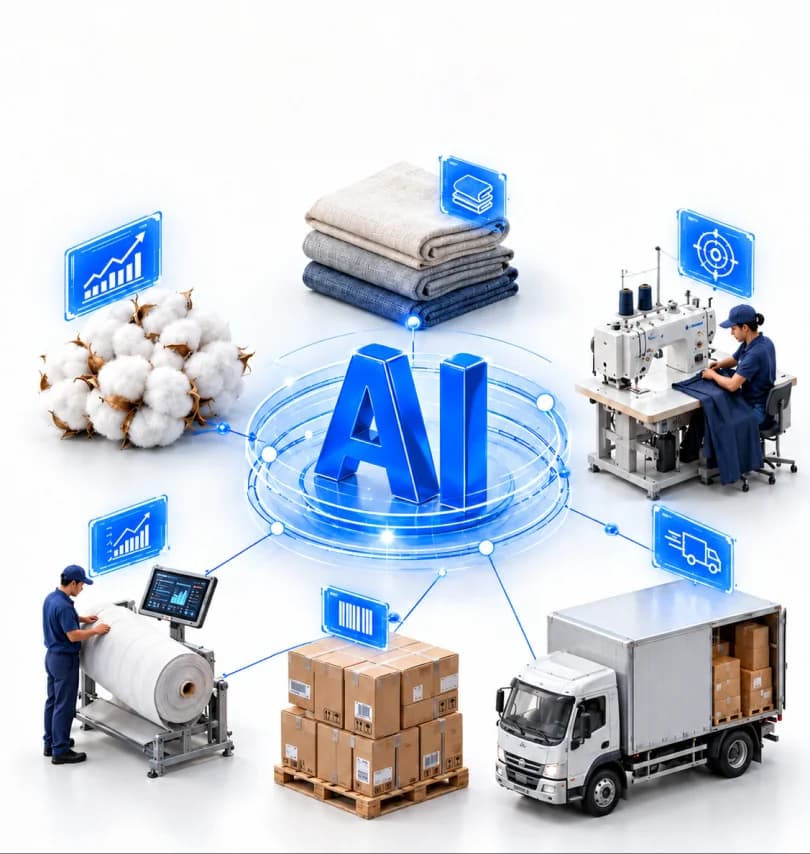
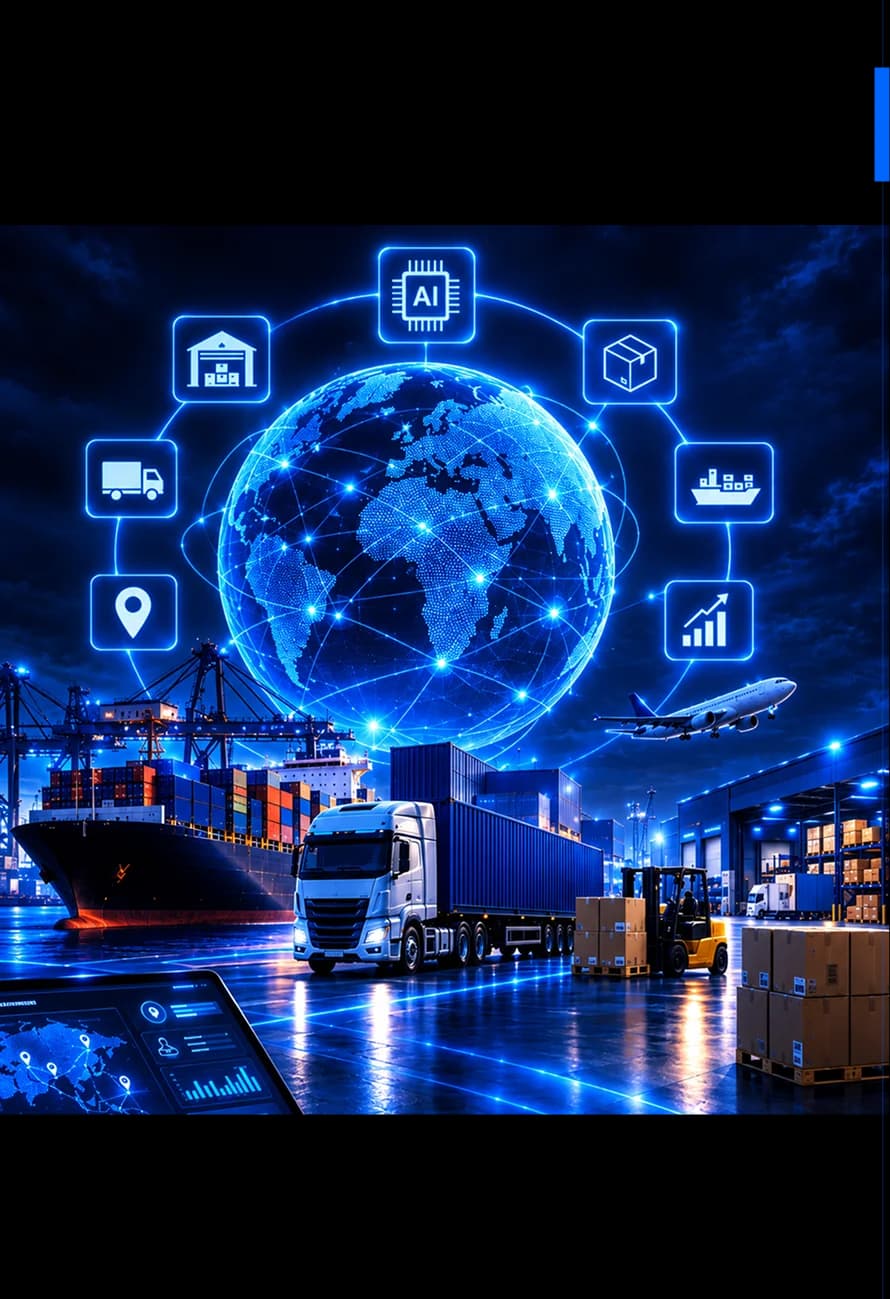
Artificial intelligence helps logistics and supply chain businesses manage operations, analyze data, and improve planning accuracy. AI-powered solutions support automation, reduce manual workloads, and provide insights for better business decisions. By integrating AI into logistics processes, companies can improve service quality and respond to operational challenges more effectively.
 Improved Demand Forecasting
- Efficient Inventory Management
- Optimized Delivery Routes
- Automated Warehouse Operations
- Better Supply Chain Visibility
Features Used in AI Logistics and Supply Chain
AI-powered logistics and supply chain platforms can include features that support planning, automation, tracking, and operational analysis.
AI Development Solutions for Logistics and Supply Chain
Koothan Infotech develops AI-powered solutions that help logistics and supply chain businesses automate workflows, analyze operational data, and improve planning processes. Our solutions can be designed around transportation, inventory, warehouse, customer service, and supply chain management requirements.
01
AI-Based Logistics Management Software
AI-based logistics management software brings shipments, orders, transportation activities, and operational data into a centralized platform. AI can analyze logistics information to support shipment planning, order management, delivery coordination, and workflow automation.The software can include shipment monitoring, automated task management, order processing, fleet coordination, notifications, dashboards, and AI-based reporting. Businesses can use these capabilities to organize logistics operations and gain better visibility into day-to-day activities.
02
AI-Powered Route Optimization
AI-powered route optimization solutions analyze delivery locations, traffic conditions, vehicle availability, distance, delivery schedules, and other transportation data. The system can evaluate available routes and provide route recommendations based on defined business requirements.The solution can also support multi-stop delivery planning, fleet allocation, estimated arrival analysis, and route monitoring. Logistics teams can use these insights to manage transportation schedules and respond to changes during delivery operations.
03
AI Supply Chain Analytics
AI supply chain analytics solutions collect and analyze data from inventory, suppliers, orders, transportation, sales, and other operational systems. AI models can identify patterns and generate insights that help businesses understand supply chain performance.These solutions can provide demand analysis, inventory insights, supplier performance reports, shipment analytics, and operational dashboards. Businesses can use the information to identify trends, review performance, and support supply chain planning.
04
AI Warehouse Management Solutions
AI-powered warehouse management solutions help businesses manage inventory movement, order processing, storage activities, and warehouse workflows. AI can analyze warehouse data to support stock monitoring, task allocation, product identification, and operational planning.The solution can integrate with existing warehouse systems and support features such as inventory tracking, automated alerts, order prioritization, and warehouse analytics. This allows warehouse teams to manage daily activities with greater visibility and less manual effort.
05
AI Chatbot Development for Logistics
AI chatbots for logistics provide automated assistance for customers, employees, suppliers, and other users. They can handle common questions related to shipment status, order information, delivery schedules, tracking details, and service requests.Chatbots can connect with logistics databases and existing business systems to retrieve relevant information. They can also support multiple communication channels and transfer complex queries to human support teams when required.
06
Custom AI Development for Supply Chain
Custom AI development allows businesses to build solutions around their specific logistics and supply chain processes. Koothan Infotech can develop AI applications for demand forecasting, inventory planning, supplier analysis, transportation management, document processing, and other operational requirements.Custom solutions can integrate with ERP, WMS, TMS, CRM, IoT devices, APIs, and existing business applications. This approach allows AI capabilities to be incorporated into existing workflows while addressing the particular data and operational needs of the business.
Top Use Cases of AI in Logistics and Supply Chain
Artificial intelligence helps logistics and supply chain businesses improve operational planning, automate workflows, and analyze business data. From demand forecasting to supplier management, AI supports better visibility, inventory control, and operational decision-making.
AI-Powered Demand Forecasting
AI-powered demand forecasting analyzes historical sales, customer behavior, seasonal trends, and market data to estimate future product demand. It helps businesses plan inventory, coordinate procurement, and manage distribution schedules. AI models identify demand patterns and support adjustments to changing market conditions. By integrating forecasting tools with existing business systems, companies can improve supply chain planning and resource allocation.
Intelligent Route Optimization
Intelligent route optimization analyzes delivery locations, traffic conditions, vehicle availability, and transportation schedules. AI recommends suitable routes based on delivery requirements and available data. Logistics companies can use these solutions for multi-stop deliveries, vehicle allocation, and estimated arrival planning. Real-time analysis can also support route adjustments when transportation conditions change.
Warehouse Automation
AI-powered warehouse automation supports inventory identification, product classification, order processing, and task allocation. Computer vision and machine learning can assist with product identification and warehouse monitoring. AI systems analyze inventory movement to support storage and picking operations. These solutions reduce repetitive manual work and help warehouse teams manage daily activities more efficiently.
Predictive Maintenance
Predictive maintenance uses AI to analyze equipment performance, sensor readings, vehicle data, and maintenance records. The system identifies patterns that may indicate potential equipment problems. Logistics companies can monitor vehicles, conveyor systems, and warehouse equipment using AI-based tools. This supports maintenance planning and helps teams review equipment conditions before operational disruptions occur.
Real-Time Shipment Tracking
AI-powered shipment tracking analyzes GPS data, transportation information, and delivery updates to monitor shipments. The system can identify possible delays and support estimated delivery time analysis. Logistics businesses can use automated alerts to monitor shipment progress and review delivery schedules. Integration with customer portals improves shipment visibility and communication.
AI-Based Inventory Management
AI-based inventory management analyzes stock levels, product movement, sales history, and replenishment data. Machine learning models identify demand patterns to support inventory planning. Businesses can monitor stock across warehouses and distribution locations using AI-powered systems. Automated alerts can highlight low stock levels and replenishment requirements, helping teams coordinate inventory management.
Automated Supply Chain Analytics
AI-powered supply chain analytics processes data from suppliers, inventory, transportation, and orders. It identifies operational patterns and generates insights into supply chain performance. Businesses can review delivery records, inventory movement, and procurement activities through AI-based dashboards. These insights support performance monitoring and data-based operational planning.
AI Chatbots for Logistics
AI chatbots provide automated assistance for customers, employees, and suppliers regarding shipments, orders, and delivery schedules. Natural language processing helps chatbots understand user questions and provide relevant responses. Integration with logistics databases allows access to available shipment information. Complex queries can be transferred to support teams for further assistance.
Fraud Detection and Risk Monitoring
AI-based fraud detection analyzes transaction records, shipment data, and operational activities to identify unusual patterns. Machine learning models can highlight suspicious transactions and potential business risks. Logistics companies can use automated alerts to review irregular order activity and operational concerns. Integration with payment and order management systems supports ongoing risk monitoring.
Supplier Management
AI-powered supplier management analyzes supplier performance, purchase history, delivery records, and procurement data. Businesses can use AI to review delivery consistency, supplier activity, and purchasing patterns. These insights support procurement planning and supplier performance monitoring. Integration with enterprise management platforms provides better visibility into supplier-related operations.
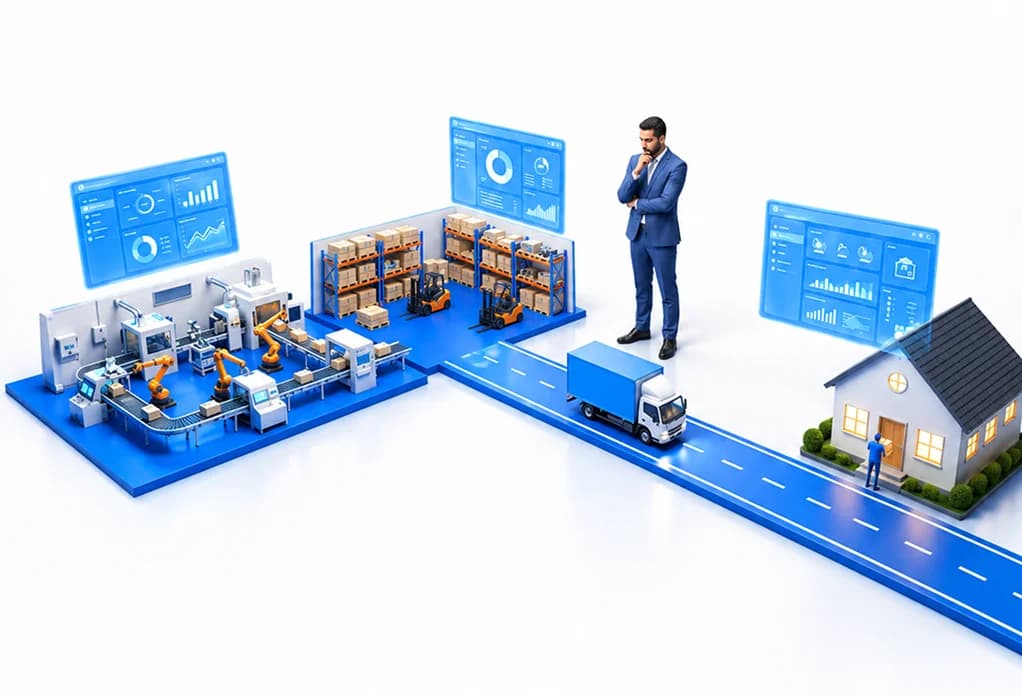
Build Smarter Logistics and Supply Chain With AI
Improve logistics and supply chain operations with AI-powered solutions for demand forecasting, route optimization, inventory management, warehouse automation, and shipment tracking.
Benefits of AI in Logistics and Supply Chain
AI helps logistics and supply chain businesses automate operations, improve planning, and analyze business data. It supports better inventory control, shipment monitoring, and operational decision-making.
01
Improved Operational Efficiency
AI automates logistics workflows such as shipment scheduling, order processing, and operational reporting. It helps businesses coordinate daily activities and reduce time spent on manual processes.
02
Better Demand Planning
AI analyzes historical sales, market trends, and customer behavior to estimate future demand. Businesses can use these insights to plan inventory, procurement, and distribution requirements.
03
Reduced Manual Work
AI automates repetitive tasks such as document processing, data entry, and shipment updates. This allows employees to focus on complex operational activities and business planning.
04
Enhanced Delivery Visibility
AI-powered tracking systems monitor shipment locations, delivery updates, and transportation data. Businesses can identify possible delays and provide customers with timely shipment information.
05
Improved Inventory Control
AI analyzes stock levels, product movement, and replenishment requirements across warehouses. It helps businesses monitor inventory and support stock planning decisions.
06
Data-Driven Business Decisions
AI processes logistics and supply chain data to identify operational patterns and performance trends. Managers can use these insights to review delivery performance, inventory, and distribution plans.
07
Better Customer Experience
AI chatbots and automated tracking systems provide customers with shipment updates and order information. These solutions support faster communication and improve access to customer service.
08
Proactive Risk Identification
AI analyzes supplier, transportation, and inventory data to identify unusual patterns and potential risks. Businesses can review possible disruptions and plan appropriate operational responses.
How AI Works in Logistics and Supply Chain?
Artificial intelligence analyzes logistics data, identifies operational patterns, and automates processes to support supply chain management. AI systems connect with business software, sensors, and tracking platforms to provide insights and improve operational planning.
Data Collection
AI collects information from inventory systems, shipment tracking, warehouse platforms, and transportation operations. This data provides the foundation for AI-based analysis and automation.
Data Processing
AI processes collected information to identify patterns, trends, and operational requirements. It helps businesses analyze demand, inventory, delivery schedules, and supply chain performance.
AI Model Analysis
Machine learning models analyze business data to generate forecasts, identify risks, and support operational recommendations. The results depend on the quality and relevance of the available data.
Automated Decision Support
AI provides recommendations for route planning, inventory replenishment, demand forecasting, and warehouse activities. Teams can use these insights to support business decisions.
System Integration
AI solutions integrate with ERP, WMS, TMS, CRM, and other business platforms. Integration allows AI tools to access relevant information and support existing logistics workflows.
Monitoring and Improvement
AI systems monitor operational data and performance indicators after deployment. Businesses can review results, update models, and improve workflows based on changing requirements.
Integrating AI With Existing Logistics Platforms
AI can be integrated with existing logistics and business systems to analyze operational data, automate workflows, and provide useful insights. Connecting AI with these platforms allows businesses to add intelligent capabilities without replacing their entire technology infrastructure.
Transportation Management Systems (TMS)
AI can connect with TMS platforms to analyze transportation schedules, vehicle availability, delivery routes, and shipment data. This supports route planning, delivery scheduling, and transportation analysis.
Warehouse Management Systems (WMS)
AI integration with WMS platforms helps analyze inventory movement, warehouse activities, order processing, and storage data. It can support warehouse automation, task allocation, and inventory monitoring.
Enterprise Resource Planning (ERP)
AI can use ERP data related to purchasing, sales, inventory, suppliers, and business operations. This enables AI-powered forecasting, reporting, and supply chain analysis across different business functions.
Customer Relationship Management (CRM)
AI can connect with CRM systems to analyze customer orders, service requests, communication history, and preferences. It can support customer service automation, demand analysis, and personalized communication.
GPS and IoT Devices
AI can process data from GPS trackers, sensors, vehicles, and connected equipment. This supports real-time monitoring of vehicle locations, equipment conditions, shipment movements, and operational activities.
Inventory Management Software
AI integration allows inventory systems to analyze stock levels, product movement, sales patterns, and replenishment requirements. Businesses can use these insights to improve inventory planning and stock monitoring.
Shipment Tracking Platforms
AI can analyze shipment locations, delivery updates, transportation conditions, and historical tracking data. It can help identify potential delays, estimate delivery times, and provide relevant shipment updates.

Challenges in AI-Based Logistics and Supply Chain Implementation
Implementing AI in logistics and supply chain operations requires proper data, system integration, and ongoing monitoring. Businesses may face technical and operational challenges while introducing AI into existing workflows.
01
Why Choose Koothan Infotech for AI in Logistics and Supply Chain?
Koothan Infotech is a top AI development services company that develops AI-powered solutions for logistics and supply chain businesses based on their operational requirements. Our team focuses on building practical AI applications for logistics management, data analysis, workflow automation, inventory operations, and supply chain processes. We also support integration with existing business systems to help businesses incorporate AI into their current workflows.
 Custom AI Solution Development
- Business-Focused AI Applications
- Existing Software Integration
- AI-Powered Automation
- Industry-Specific Development
- Ongoing Technical Support